Santa Ana Police Athletic & Activity League First Tee Golf Clinic

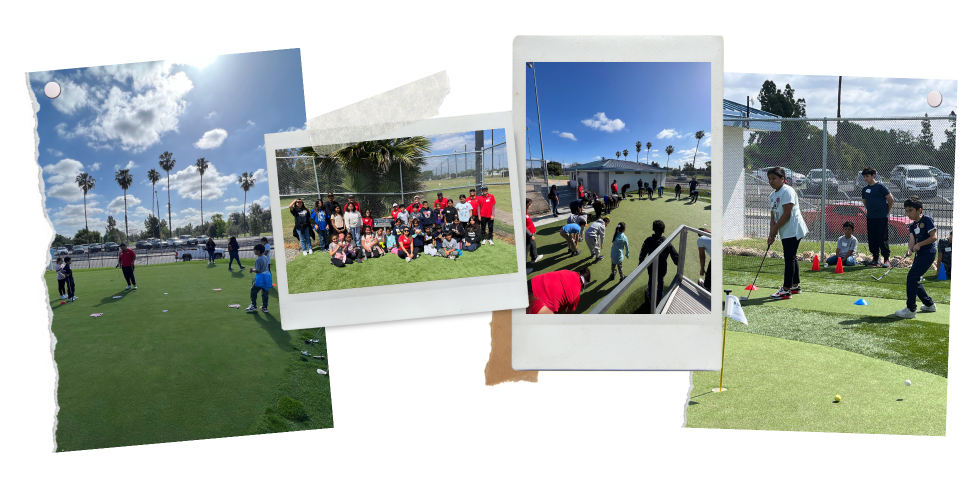
On Saturday, April 27, we held a First Tee golf clinic for Santa Ana Police Athletic & Activity League (PAAL).  We had 24 kids from the PAAL program & Santa Ana community participate at Dad Miller Golf Course in Anaheim.  They learned about a key life skill, using perseverance: to commit & don’t quit.  They also learned some golf skills like clubface awareness by spending time at the driving range, putting green & chipping area.  For many of the kids, it provides an opportunity to be exposed to golf and they used perseverance to hit, chip & putt while having fun!

First Tee enables kids to build the strength of character that empowers them through a lifetime of new challenges.  By seamlessly integrating the game of golf with life skills curriculum, First Tee creates learning experiences that build inner strength, self-confidence and resilience that kids carry to everything they do.

The Police Athletic & Activity League is a comprehensive community program that helps setup kids for success & creates healthy, positive relationships between kids, families and police officers that serve in their city.  They believe building these relationships is what creates a better COMMUNITY for all those who call Santa Ana their home.

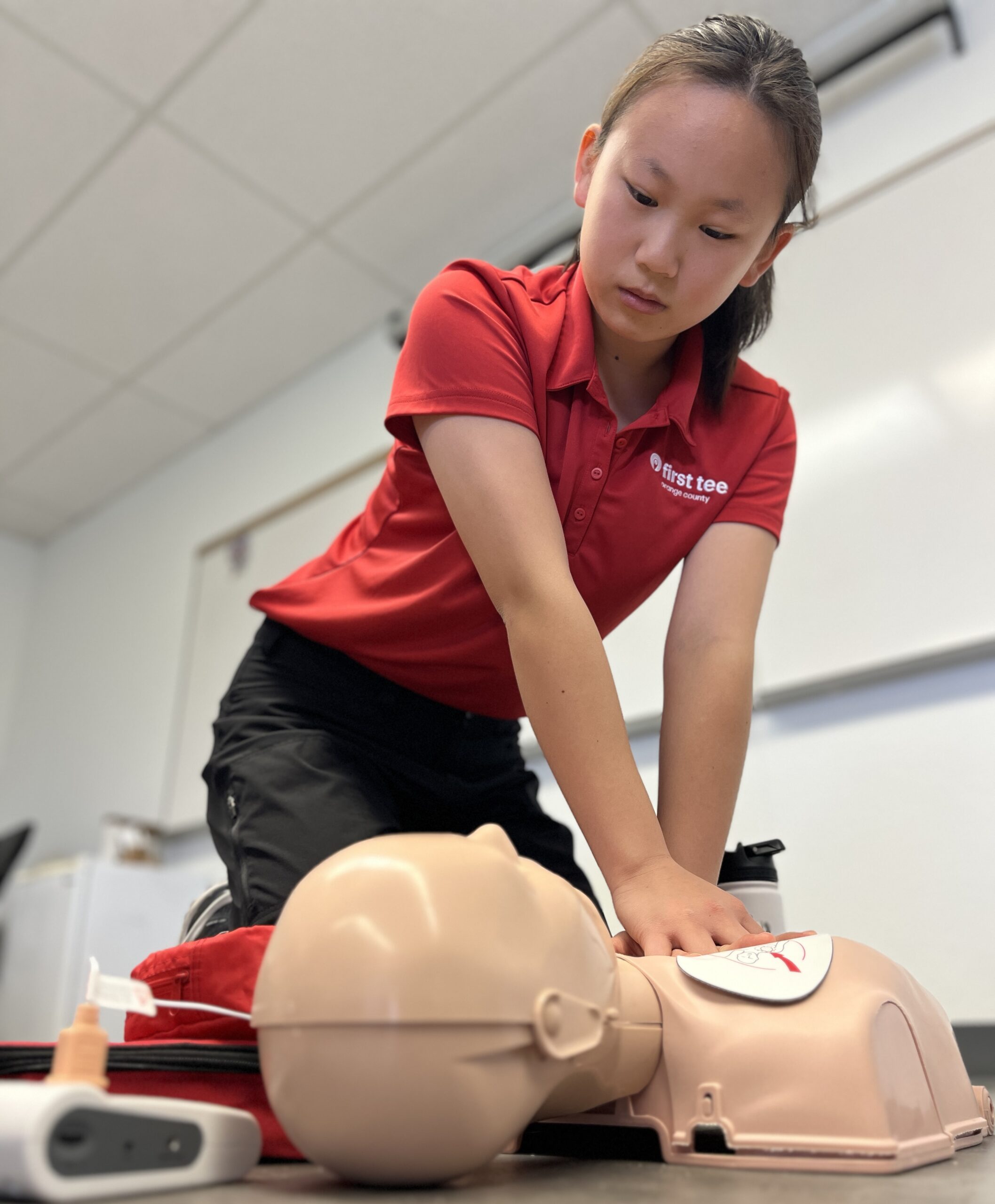
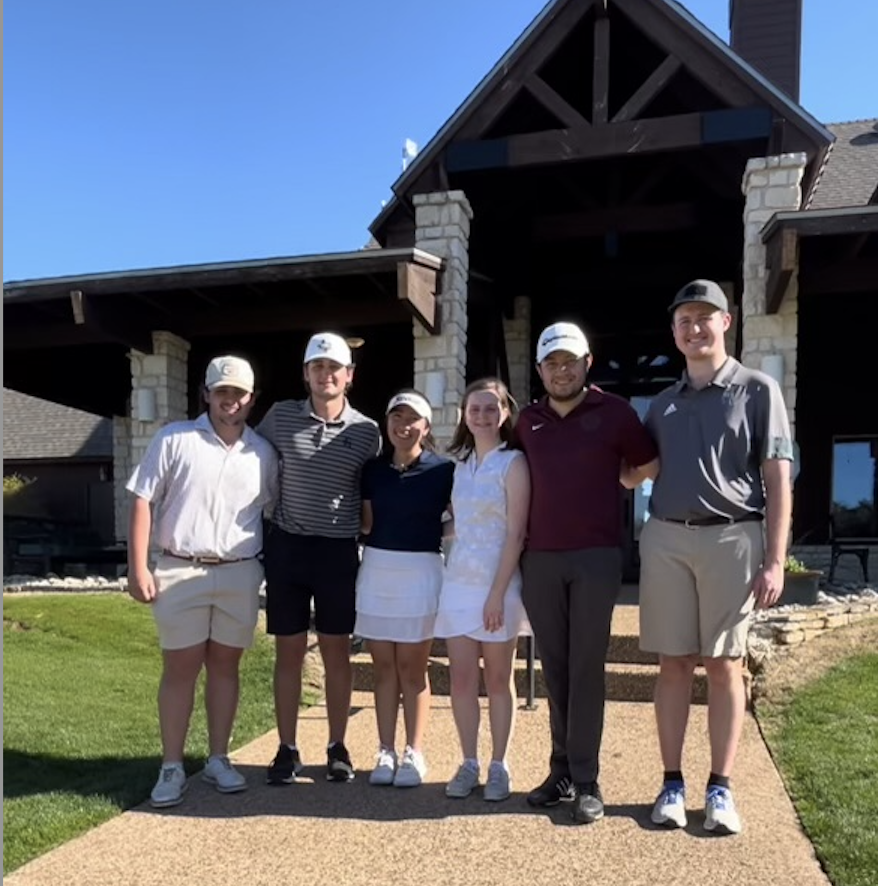
FTOC Participant, Sunnie, Helps to Educate Peers in CPR

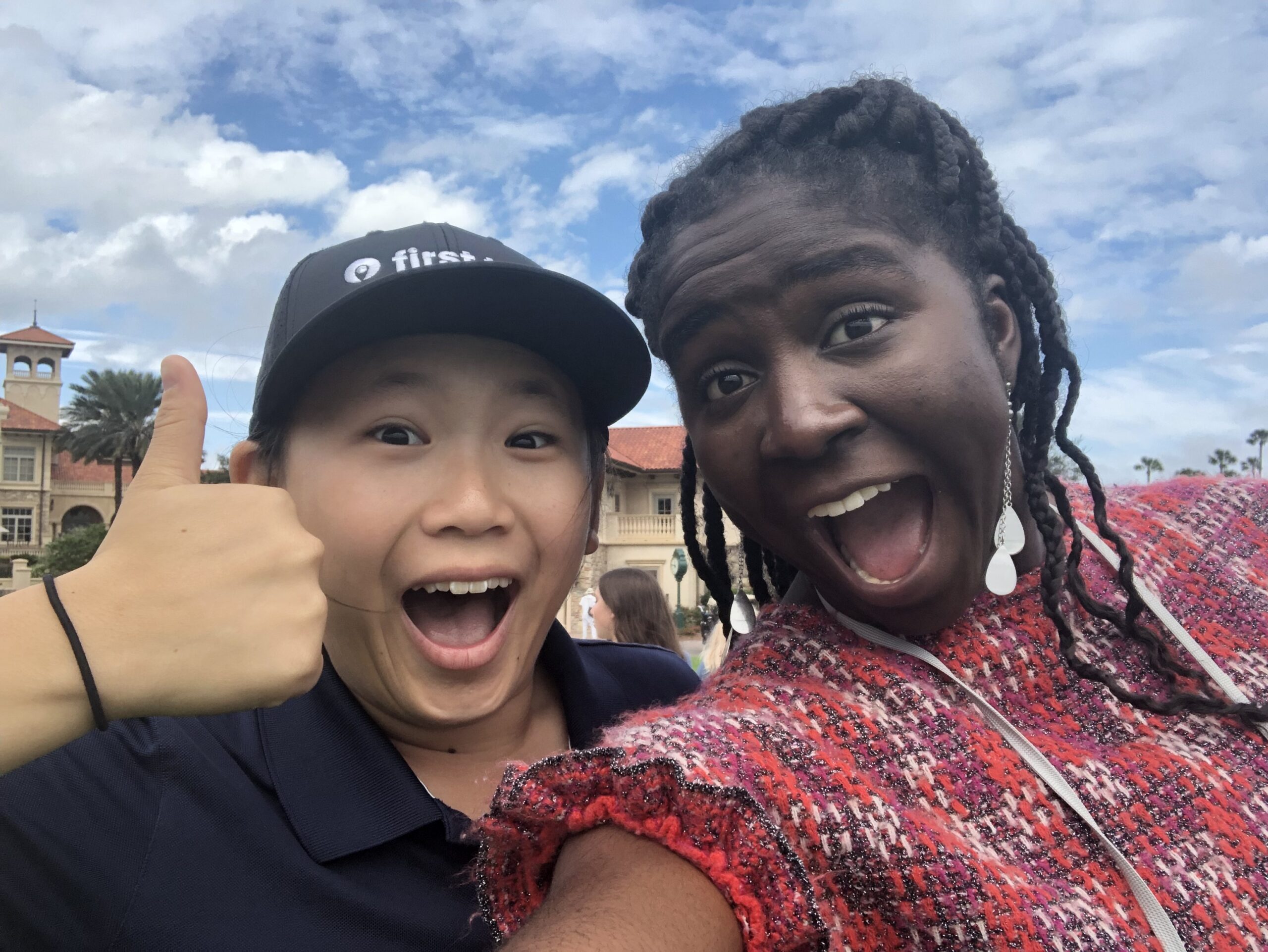
In 2023, Sunnie, a First Tee – Orange County participant, was selected as one of 32 participants in the Nation to attend the First Tee Innovators Forum. The First Tee National Opportunity, held in Jacksonville, FL in November, equips and empowers First Tee teens to develop a meaningful service project in their communities focused on education, health, human rights, or environmental sustainability. By bringing together passionate participants from across the chapter network, First Tee Innovators Forum provides a distinctive enrichment experience, engaging teens who share a similar desire for learning and generating changes in their communities.

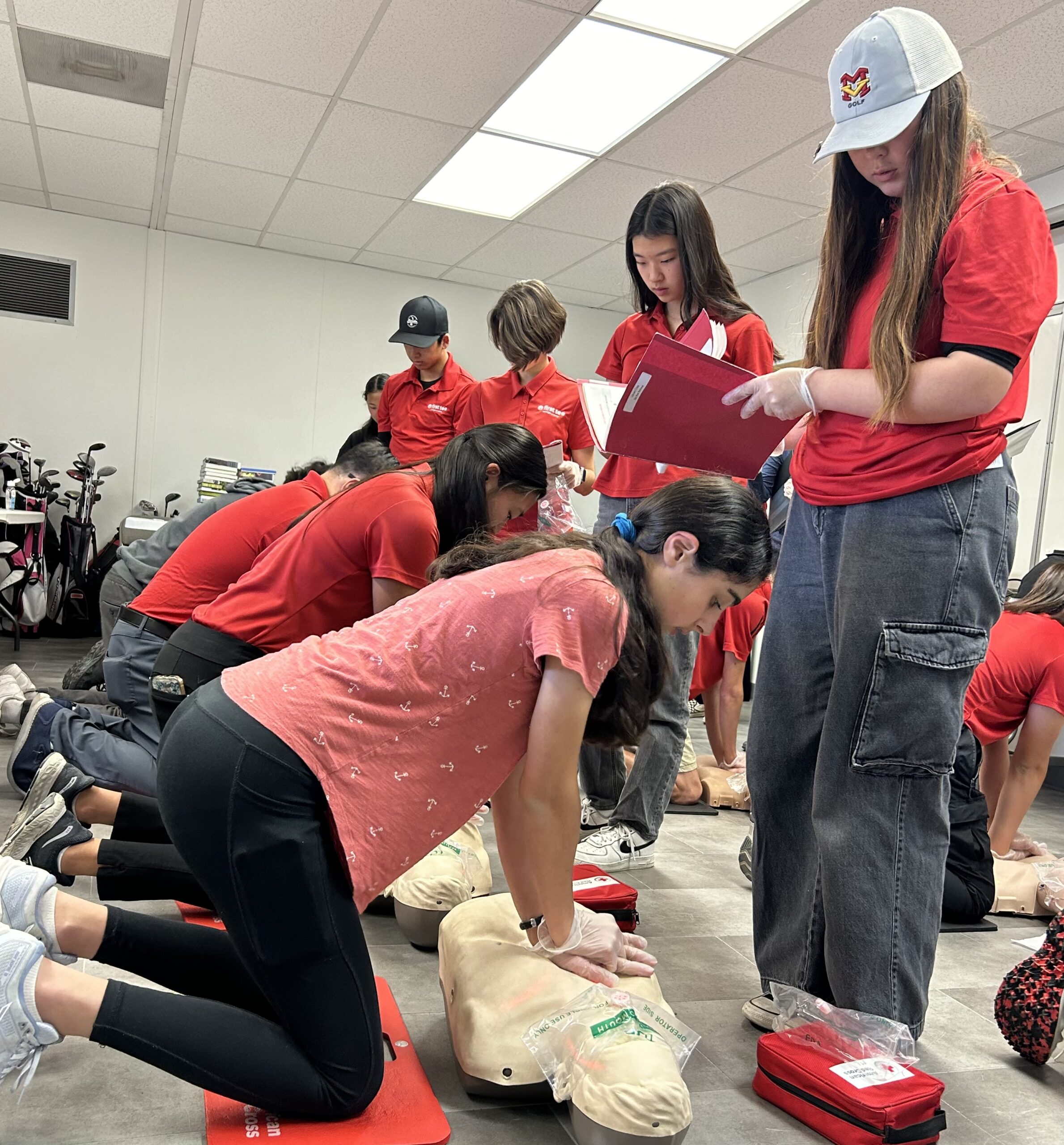
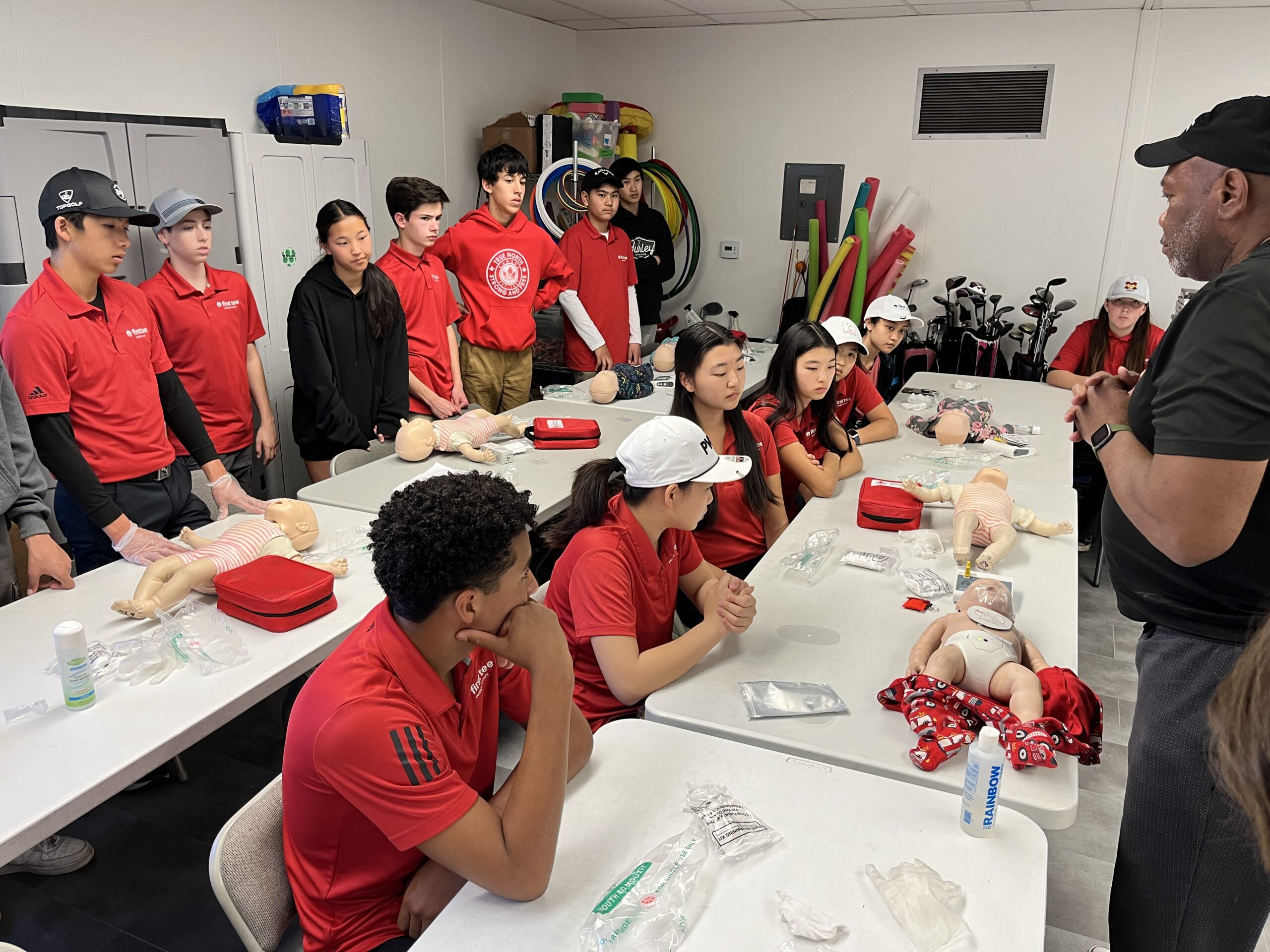
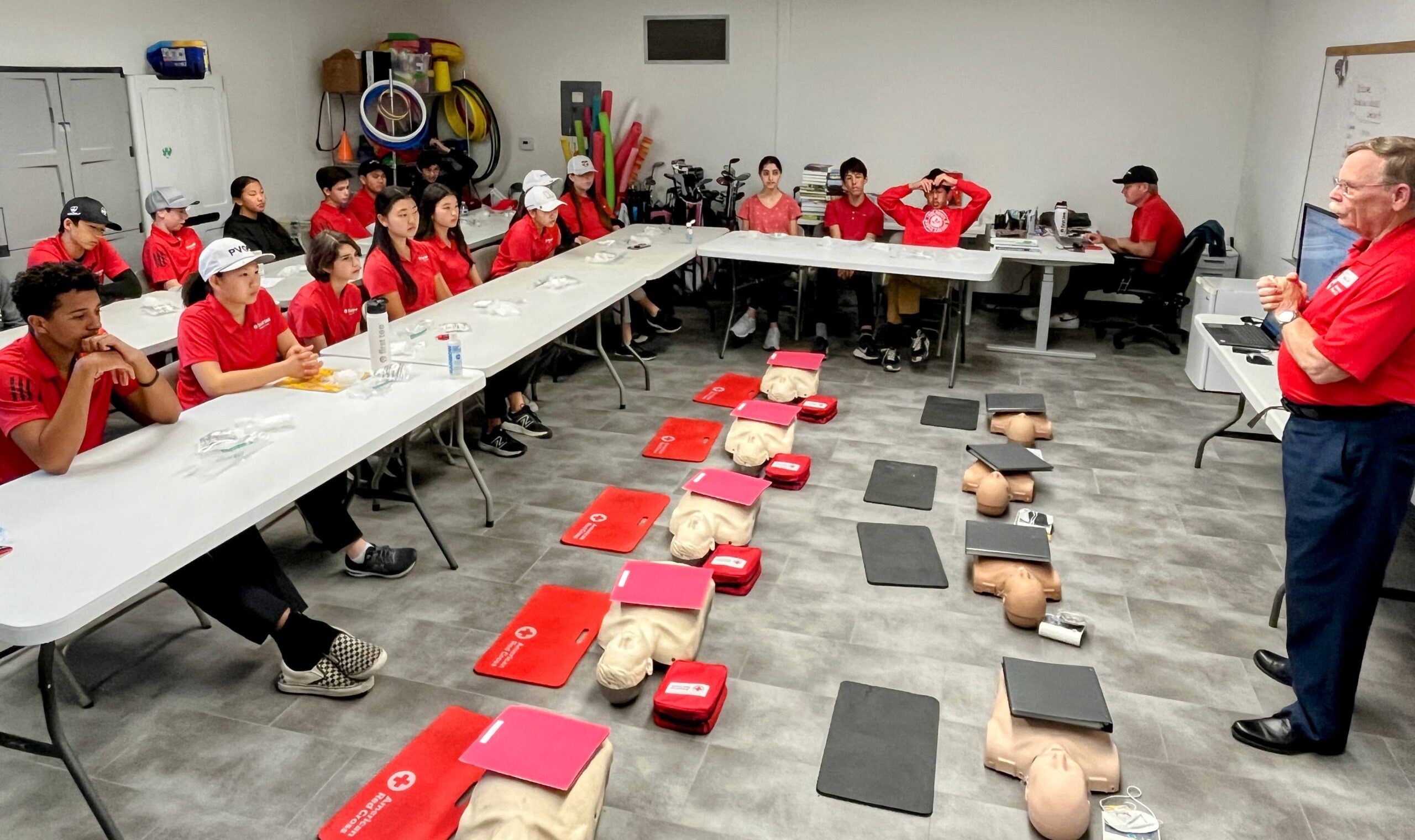
On March 10th, Sunnie organized a CPR training for her and several other peers at Teens on Greens Leadership Series. When asked what her motivation was to organize this event she replied:

“Last year, a life-changing incident occurred when a family friend’s dad had a heart attack while hiking with his church group. Despite efforts to help, he arrived at the hospital too late. Realizing that immediate CPR could have made a significant difference shocked me. It made me truly understand the importance of having these skills. That’s why I’ve taken on CPR training as my project. I believe everyone should know CPR, especially since it could save a loved one’s life. Aligning with The First Tee life skills lesson, I aim to empower people to act in emergencies. Let’s ensure everyone has the knowledge to save their loved ones. 

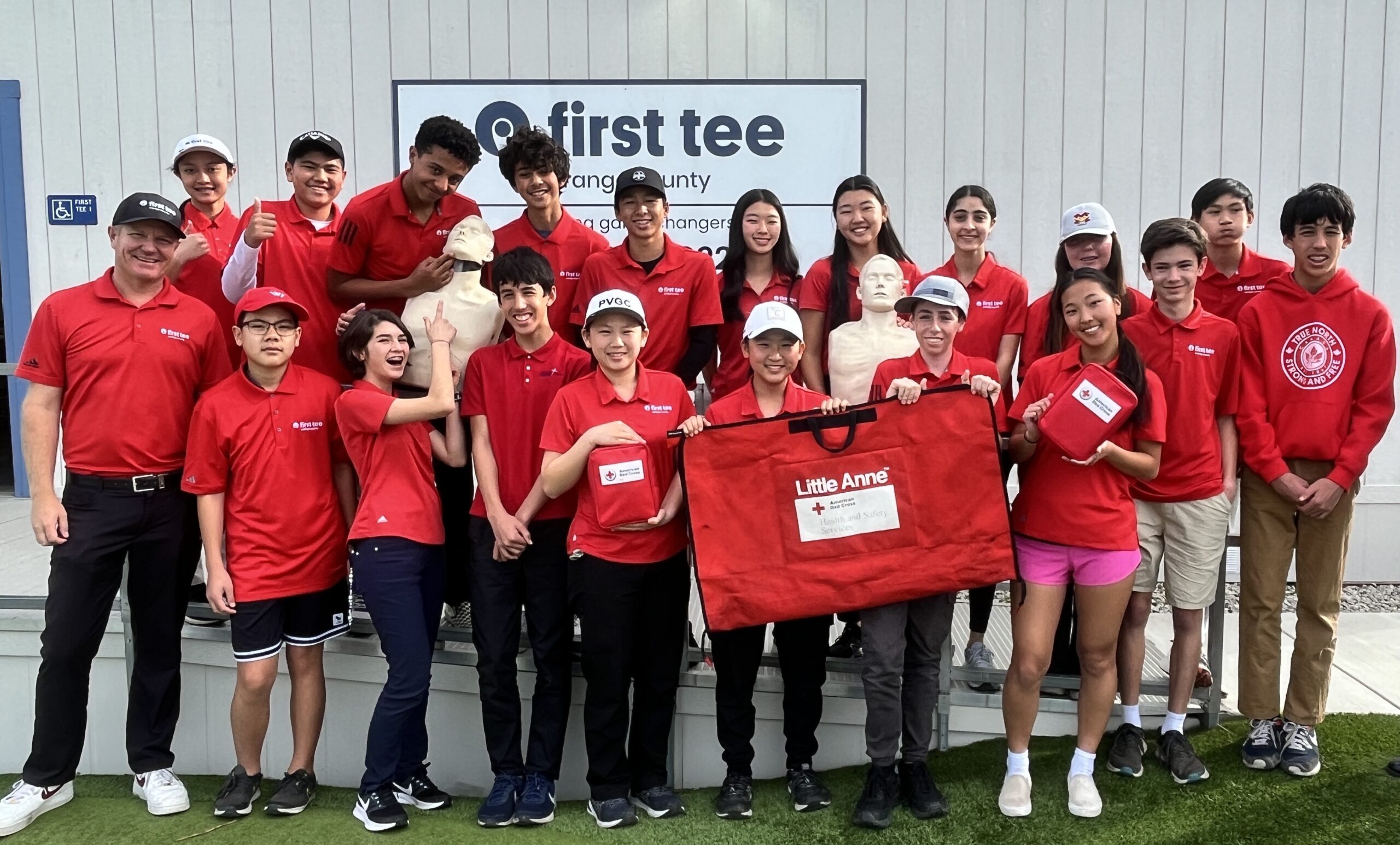
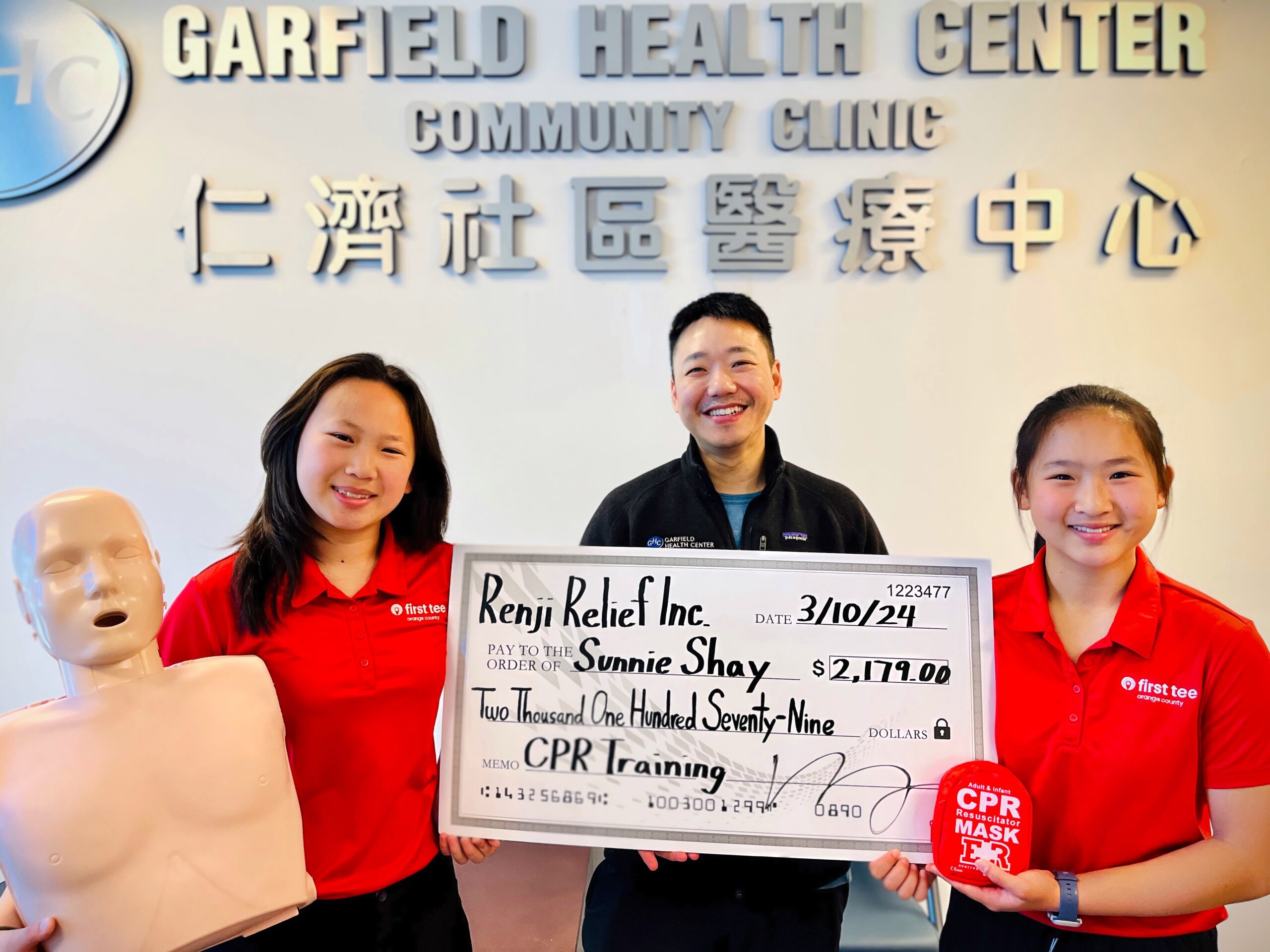
Shoutout to the Renji Relief Inc. (Garfield Health Center) for making it possible! With your support, 20 junior members of First Tee OC are now CPR/AED-certified. Huge thanks for backing my cause! I really appreciate your support!” 

We are extremely proud of Sunnie for organizing this life changing event for her an her peers, and for being selected to participate in the First Tee Innovators Forum!

First Tee Scholar Alexa Vela is building community through golf

My name is Alexa Vela, a student at Rice University studying business and sport management. 

I am also a proud First Tee alumni and Scholar who has been fortunate enough to grow up playing the game of golf, and as a result have been taught a variety of fundamental lessons and values such as patience, confidence and integrity whether on or off the course. 

All of which have been instilled within me by First Tee and have been fundamental in shaping me into the leader that I am today; dedicated to establishing an environment where everyone feels welcomed. 

This devotion to creating inclusive spaces is the result of the community and friendships that I have been granted through First Tee. 

As a First Tee participant and now alumni and Scholar, I am certain that my accomplishments and ability to effectively serve my community and college campus is the result of the program’s ability to grant me a renewed sense of confidence as well as allow me to discover the power of my voice.

Through the years, I recognized the importance of using this voice as a means to embrace my authenticity and create a space that encouraged others to embrace theirs. 

Such a realization is what not only led me into my current academic areas of interests, sport management and business, with the intent to unite my love for growing the game of golf with my curiosity on how the game can take active strides in becoming more inclusive and accessible to individuals from diverse backgrounds, but is what recently empowered me to revamp the Club Golf Team here at Rice University. 

Growing golf in Houston has been especially important to me, considering that it is where I learned to love the game, but also where I was able to witness firsthand the impact that having access to the game of golf can have in the lives of many. Whether it be the ability to develop and foster community or be granted a space where you can enjoy yourself in nature, I recognized that very need here on Rice’s campus. 

After a year of researching the process and correct steps to take in order to make this dream a reality, the club team was established in January of this year! 

The team essentially provides all Rice students the opportunity to play golf, whether it be recreationally or competitively by participating in tournaments where students have an opportunity to represent Rice as a team, regardless of previous exposure or experience with the game. 

My vision for the team is to create community on the golf course by allowing all students to have the opportunity to participate in practices or tournaments without having to incur a huge financial undertaking. 

In addition to this, the club golf team’s presence on campus provides an outlet for females at Rice to play golf competitively considering the school does not currently have a women’s golf team. 

With our first golf tournament as a team in the books, I am excited to see the future of Club Golf here at Rice and the impact it will create here on campus. 

Find your local First Tee chapter.

Help your child make the most of Spring Break 

Just as time off has been shown to improve work performance in adults, Spring Break provides a great opportunity for kids to decompress amid a busy school year. It’s also an opportunity for parents to empower their kids to use good judgment, a focus of the First Tee curriculum. 

“Whether you have a vacation planned or are staying home this spring break, there are plenty of opportunities for your child to make thoughtful decisions,” said Lexie Milford, senior director of programs technology and support at First Tee and mother to two boys. “For example, if you’re traveling, empower your kiddo to help pack the snacks. What choices are healthy? What is best for a car ride? What needs to be kept cold?” 

Ask your child to walk you through their decision-making process and follow up later to see if they’ll do anything different next time. You might have your child weigh in on different topics as they get older because using good judgment gets easier with practice. 

When it comes to making the most of Spring Break, it can also be beneficial to help your child set a few short-term goals, which can have a positive impact on their self-confidence. “Start with things they can control and take ownership around, like chores, reading or screen time,” Milford said. 

Maybe your child wants to clock a specific number of community service hours during Spring Break or complete a certain number of lessons on the First Tee app, for example. 

Of course, spring breaks can look different depending on your child’s age, interests and your own work obligations.  

“As a working parent, it’s hard to balance kids being home while work continues on,” acknowledged Milford. “Relying on your kid to entertain themselves – and being comfortable with however they choose to do that so long as it’s safe – can be unnerving sometimes. But taking the week to let your kid be a kid, make some of their own choices, and just enjoy the freedom of play can be an amazing experience for them to unwind from stresses of school.” 

Many First Tee chapters offer spring break programming. Learn more opportunities to enroll.  

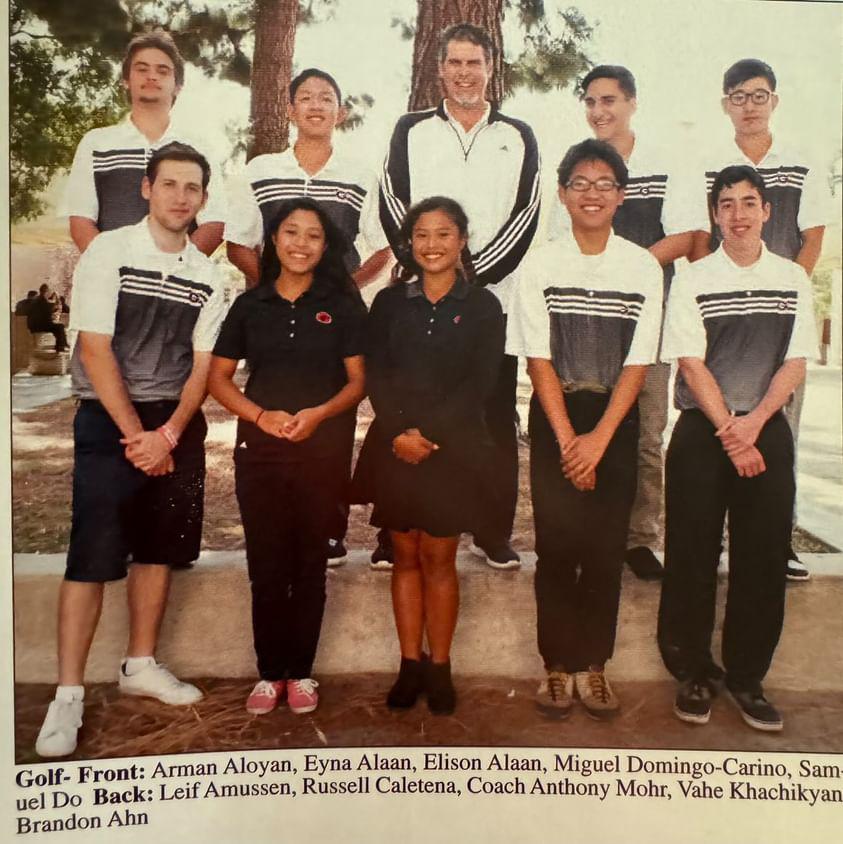
Coach Enya Alaan loves how First Tee focuses ‘on the whole person’

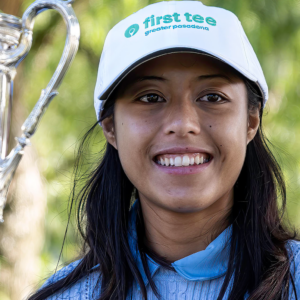
Eyna Alaan’s favorite part of coaching at First Tee – Greater Pasadena is collaborating with her colleagues to make classes fun for kids.

“I love working with the other coaches to create games,” she said. Eyna has been coaching since 2015, and in that time, she’s gotten to see participants grow and evolve. “It’s just been amazing to see these kids progress. It’s like I’ve been there from the beginning,” she said.

Eyna herself was fresh out of high school when she began coaching at First Tee – Greater Pasadena. She was playing golf at Glendale Community College where her coach was involved with the First Tee chapter and told her about the program.

“When I was growing up, I went to golf academy where it felt like golf was everything,” she said. “If you weren’t one of the best players, you fell by the weigh side. When I started teaching at First Tee and I was learning about the curriculum, I just thought it was great that it focused on the whole person – not just their golf skills.”

Eyna has advanced to First Tee’s Level 3 coach training, which she attended last year in Portland. “A lot of people say patience is the key to coaching, but I think empathy is really important. Kids at different ages are in different places. They may not be able to grasp certain concepts yet, but you still need to be able to connect with them.”

Eyna was born in the Philippines and moved to Southern California when she was 5. Her dad encouraged her to play golf, a sport he took up to bond with his older brothers. 

Eyna’s sister attended Morehead State University on a golf scholarship and is working toward her LPGA certification. “It just really tickles my dad,” she said. “He always brags to my family. He’s so proud to have daughters that work in golf.”

Being a young female coach sometimes helps Eyna connect with participants. “There are sometimes those classes with one or two girls, and immediately they’re a little intimidated,” she said. “In high school, I had to play on boys’ team, and I didn’t have any female teammates until I was a senior and my sister joined the team as a freshman. I understand how they’re feeling, and I want to help them build confidence.”

Learn more about coaching with First Tee.

Golf Clinic for CIBD (Center for Inherited Blood Disorders)

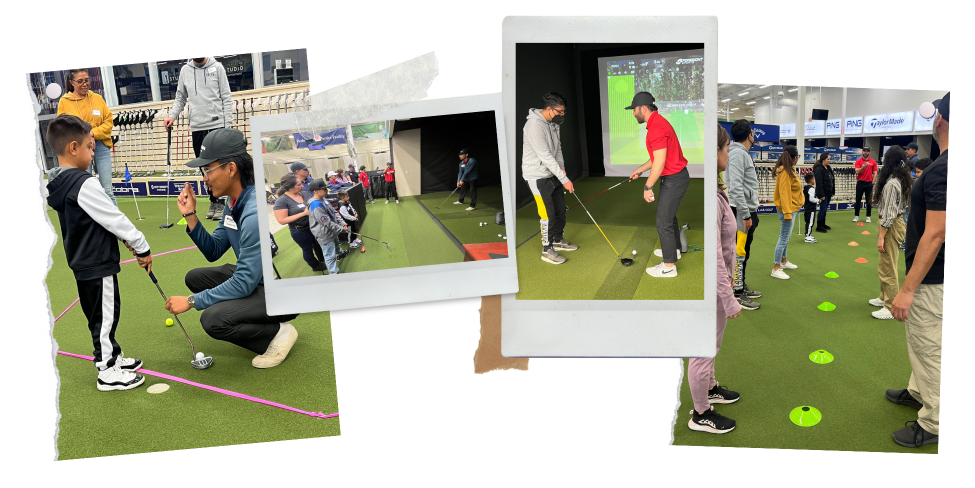
On Sunday, February 2nd, CIBD participated in a First Tee golf clinic at PGA Superstore in Irvine.  They learned about life skills such as perseverance, commit & don’t quit.  In addition, they learned golf skills by spending time at the golf simulator & putting green.  For many of the kids, it was their first opportunity to be exposed to golf, but with the help of First Tee coaches & volunteers, they were able to learn how to hit & putt while having fun!

First Tee enables kids to build the strength of character that empowers them through a lifetime of new challenges.  By seamlessly integrating the game of golf with life skills curriculum, First Tee creates learning experiences that build inner strength, self-confidence and resilience that kids carry to everything they do.

Center for Inherited Blood Disorders (CIBD) is the only licensed freestanding clinic in California specializing in bleeding disorders. Their mission is to help people with Blood Disorders thrive.

A FTOC Game Changer

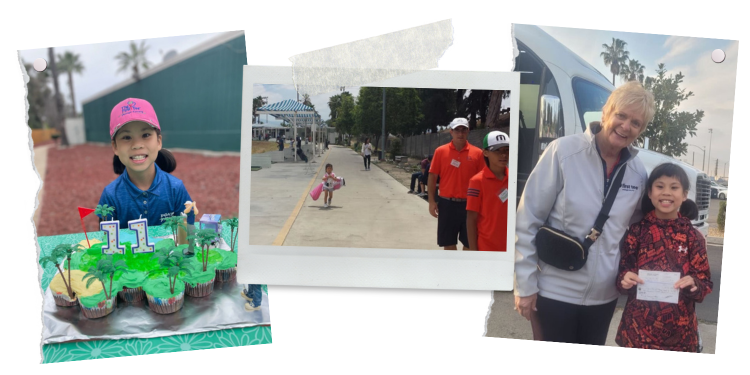
Rosie recently turned 11 years old and decided to donate her birthday money to First Tee – Orange County. Rosie has been a participant in the First Tee – Orange County program since January 2016, right before she turned 3 years old.  Her golf clubs were bigger than her!  Rosie has always had a passion for the First Tee program.  Now as a mentor to the players in the program, Rosie is enjoying being a junior coach.

With her contribution, Rosie is now a donor as she is helping our fundraising efforts for our scholarship program which helps those families that may need financial assistance for their child to attend First Tee classes.  Rosie’s parents, Patrick & Jen, are amazing, long term volunteers with our program.  They were so moved by their daughter’s desire to donate her birthday money to First Tee – Orange County, they matched Rosie’s contribution.  

A big “THANK YOU” to Rosie and her family as we continue “Building Game Changers” like Rosie at First Tee – Orange County!

Feel confident on your first trips to the golf course 

At First Tee, we believe golf is for everyone, but the sport can feel intimidating, especially for families who are new to it. That’s why it’s important to remember, golf is meant to be fun, according to Ali Miller, senior manager of programs training at First Tee.  

Miller grew up learning the game at First Tee – Quad Cities before playing collegiate golf and joining the staff at First Tee headquarters. She played an important role in developing First Tee’s updated curriculum, which was rolled out in 2023. It uses fun golf activities to teach life skills and help kids uncover their values. 

As someone who’s spent lots of time on golf courses – and even trains First Tee coaches – here is her take on the rules of golf. 

Q: How does understanding the basic rules of golf make the sport safer and more enjoyable? 

A: Knowing the basics makes golf more enjoyable because it’s a little less intimidating when you feel like you know what’s going on. In golf there are written and unwritten rules. The best way to get comfortable is to be around the game, be on the golf course and play with people who are more experienced – like a First Tee coach, or an older participant in the program. Some rules are also important for golf course safety, like out of bounds. It usually indicates areas you don’t want to go, and it’s safer to avoid them.  

It takes exposure to the game to get comfortable with the official rules, however the sport can be enjoyed using intuitive etiquette, like taking turns and not distracting people when they are swinging. At First Tee we believe it’s so important that the rules of golf aren’t a barrier to entry. Remember most people are happy to help guide you or your child, whether it’s a First Tee coach, a PGA or LPGA professional or golf course staff. Most golfers can remember a time they didn’t know a rule, and someone helped them, so they want to pay it forward. 

Interestingly enough, many of the rules are designed to help level the playing field and allow for people with different abilities to still enjoy playing and competing together.  

Q: How do you balance having fun when you’re learning a new game? 

A: Golf is a very social game. The fun part is being outside and walking and talking with your friends – and hopefully hitting some good shots along the way. I would focus on that aspect when your child is starting out. If they’re out there playing with friends, they should be having fun while also learning about the game and understanding the rules as they spend more time with the sport. If they make a mistake on the rules, it’s not a big issue.  

We invite parents to become familiar with scoring basics – like in any sport – as we encourage it for all age groups. Of course, some younger players might not be able to do it on their own and that’s OK too. Additionally, First Tee coaches are trained to coach different ages, and we recommend shorter holes for younger kids. For example, for kids under 9, we suggest 25 yards for a Par 3 or 50 yards for a Par 4, which just means teeing off a little further down the fairway. These kinds of adaptations help kids enjoy the game. 

If you’ve ever played golf, you know it’s tough if you take it or yourself too seriously! It takes lots of work to become a scratch golfer, and new golfers shouldn’t compare themselves to experienced players. That’s where the concept of Personal Par comes in. We encourage kids to focus on achieving their personal best, which helps them stay positive. Golf – like life – is a journey.  

If your child advances or wants to play competitively, there’s always someone around to help. It can feel intimidating to ask, but that’s what rules officials and tournament staff are there for. It’s funny, when I was playing competitively, my dad didn’t know the rules well, and he always thought I scored way better than I did. But I just remember he was out there supporting me, and that was the important thing. 

Q: What should new golfers know? 

A: In a perfect world, you or your child should try to be on time for a tee time. It’s an unwritten rule that you should aim to be 10 minutes early. It helps you calm the nerves on the first tee and obviously is considerate to other golfers. 

Other rules that come up often include out-of-bounds and losing your ball. In these cases, you can typically either take a one-stroke penalty and retry the shot or take a two-stroke penalty and play from the edge of the fairway near where your ball landed. Try not to play someone else’s ball, which is why you’ll see professional players put markings on their golf balls to identify them. First Tee’s app has great, kid-friendly helpful lessons on many of these rules. 

That said, I think new golfers should know we’ve all been in their shoes. So our primary rule at First Tee is have fun and be safe. Be yourself and don’t be afraid to ask questions. We want you to be on the course! 

Q: You just alluded to the fact that golf courses are shared spaces. How does following the rules help ensure everyone enjoys their round? 

A: Most golf courses will indicate the pace at which they expect golfers to finish 9 or 18 holes. Keeping up that pace and following out-of-bounds rules are important to ensure everyone has a fun and safe round. A lot of golf courses have homes on them, so out-of-bounds rules can protect golfers and homeowners.  

For new golfers, it can feel intimidating to have a fast group right behind you. The etiquette here would be to pause and let them play through. 

Q: What should you do if you make a mistake? 

A: First, remember it’s normal and OK. If you’re playing with friends, own up to it and learn from it. If you’re playing in a tournament, there can be other consequences, but in most cases, golfers are given an opportunity to fix their mistakes.  

The USGA is a Founding Partner of First Tee and they publish a rulebook each year and even offers a junior version in comic book form.  

Q: How can learning the rules of golf help a child off the course? 

A: Golf is a lot like life, right? Sometimes you need to ask for help. At First Tee, we believe mentorship is a powerful tool, and we hope our participants have coaches they can turn to on and off the golf course. On the golf course, there are usually officials around, but it’s a big place. Sometimes you might need to call a penalty on yourself, take responsibility and record your score accurately. 

Having to react to unexpected situations or recover their composure after a bad shot on the golf course can prepare kids to do the same in life. Golf is a fun and engaging activity that provides challenges, requires commitment and effort over time, but is so worth it. It’s a lifelong sport available for people with all abilities.  Learn more about how to get involved. 

First Tee alumnus Kelly Allen is making an impact as a collegiate coach 

Golf has always been part of Kelly Allen’s life. “I’ve had a club in my hand since I was 2. I still have that little cut down 2 iron somewhere,” he said. 

Kelly joined First Tee – North Florida at 7 years old, and at 12, he decided to give up football and baseball to focus on golf. His choice coincided with the 2005 Masters, when Tiger Woods famously chipped in from the rough on 16 before going on to win in a playoff. Kelly remembers going crazy in his living room.  

“It was just super exciting what he was doing for the game, and I wanted a piece of it,” he said. 

As a teenager, Kelly traveled to a variety of First Tee national opportunities and earned the chance to play twice at the PURE Insurance Championship at Pebble Beach, which became his favorite golf course.  

“I made a bunch of friends across the country through First Tee,” he said. “I had unforgettable experiences and received timeless benefits. First Tee shows you that golf is much more than swinging a club and hitting a ball. It’s networking, seeing the world and building character.” 

Kelly is a Jacksonville, Florida, native and began his college career at Johnson & Wales before transferring to Benedict College in Columbia, South Carolina. The decision was largely driven by golf, but ultimately, Kelly said he’s glad he experienced attending an HBCU.  

“Being a part of a team culture, especially in golf, it’s very unique because unless you’re playing for a Ryder Cup or something like that, you don’t get that very often,” he said. “I enjoyed the comradery and the bond with my teammates. That whole idea of us against the world was the best part of it.” His team won the Southern Intercollegiate Athletic Conference Championship in 2015. Kelly was also crowned the overall champion. 

Kelly has played golf across the country, but Brentwood Golf Course in Jacksonville is where he learned the game and still the place he calls home. The facility played an important role in the city’s civil rights history, when a group of Black golfers showed up to play there on a Tuesday. At the time, Black golfers were only allowed to play Brentwood on Mondays. They launched a legal battle that ultimately led to the desegregation of public recreation facilities in the area. 

Kelly was working at Brentwood when he learned about an exciting new opportunity. With support from THE PLAYERS, Edward Waters College, the oldest HBCU in Florida, was launching a women’s golf team and needed a coach.   

“It just made so much sense to pursue because Edward Waters is in the middle of the neighborhood where I grew up,” Kelly said. “Growing up I seen a lot of life get lost to the streets. I see this program as a great way to serve my community put some life back into it.” 

Kelly is passionate about building a winning culture at Edward Waters, and he’s learned a lot about coaching. “I realized quickly that this job isn’t just about golf. It’s about leading and nurturing young women” he said. “Each girl is facing her own unique set of challenges on and off the course. As a coach, you have to be able to help them navigate through it.  Some are away from home and their families for the first time. The coach is their advocate while they are here on campus.” 

Not only does Kelly coach his players on the course, but he also manages recruiting, tournament registrations, ordering uniforms, booking travel, planning practice schedules, player development and more. “It has been very challenging but that’s the reason I love it,” he said. “It’ll be that much more satisfying when we reach our goals.” 

In addition to his busy schedule as a coach, Kelly has his own brand called Golf By Kelly, which is all about bringing eccentric style to golf.  

The importance of embracing differences and different experiences 

February is Black History Month, an important time to recognize the contributions and remember the hardships endured by generations of African Americans. Appreciating diversity and what makes us each unique remains an integral part of First Tee’s DNA year-round.  

“When you bring together people with different perspectives and different experiences, the whole becomes stronger than the sum of its parts,” said Pepper Peete, whose career in golf began more than two decades ago when she established the men’s team at Edward Waters College, an HBCU in Jacksonville, Florida. Peete now helps lead culture and inclusion efforts at First Tee headquarters. 

Access for All 

First Tee has always been committed to reaching kids from all backgrounds and making sure they feel included in our programming. At First Tee we commit to: 

  • Appreciating what makes us different. 
  • Providing everyone ​with what they need ​to succeed, knowing that our needs and challenges may differ. 
  • Creating space that makes every individual feel like they belong and can see themselves reflected.​ 

Collaborating with others – including those who are different from you – is a Key Commitment at First Tee, and it means showing respect, kindness and care for everyone. Regardless of race, ethnicity, gender, ability, sexual orientation or lived experience, we’re all unique.  

Here are some ways kids can get more comfortable learning about and from others. 

A-L-R is a tool for learning about others 

First Tee coaches introduce the concept of appreciating diversity by explaining that people differ in many ways and are similar in other ways, and we all have strengths and weaknesses. It is important for kids and teens to understand, accept and appreciate their own strengths and weaknesses, but it is equally important they do the same with others. 

Engaging others in conversation doesn’t always come naturally to children, but it can be one of the best ways to form meaningful connections across perceived barriers. A-L-R is a strategy we teach at First Tee. 

  • Ask questions: Invite your child to ask questions to discover more about a person’s background and past experiences, which might provide insight into who they are today and the commonalities they share. 
  • Listen to understand: Introduce active listening by encouraging your child to focus on what others are saying rather than thinking about what to say next. 
  • Reflect and respond: Invite your child to show how they were listening by responding with a thoughtful question or sharing your own thoughts or feelings on the topic at hand.  

Through this exercise, kids might learn they share common interests with someone who looks or sounds different to them. 

Don’t forget that in addition to learning about others, preteens are often grappling with and discovering their own identities. If your family positions diversity as an asset, your child might feel more comfortable being themself.  

Exposing your child to food, music or books from other cultures can help them see the commonalities we share and appreciate that our differences make the world a richer place. You can also discuss the diversity that exists within your own family or community to show that diversity is everywhere, including the golf space. 

“Golf has given me an opportunity to go places I never would have been able to go and meet people I never would have been able to meet,” said Peete, who was married to Calvin Peete, one of the most successful Black professional golfers in history. “I think golf can open up unexpected doors.” 

A lifelong golfer and mother to two daughters who played golf at HBCUs, Peete has seen the sport become more accessible, especially to women, and she believes the golf course is a perfect place to break down barriers. “You get to meet so many different people through golf,” Peete said. 

Ace alumna Jolie Venable is giving back to her new hometown 

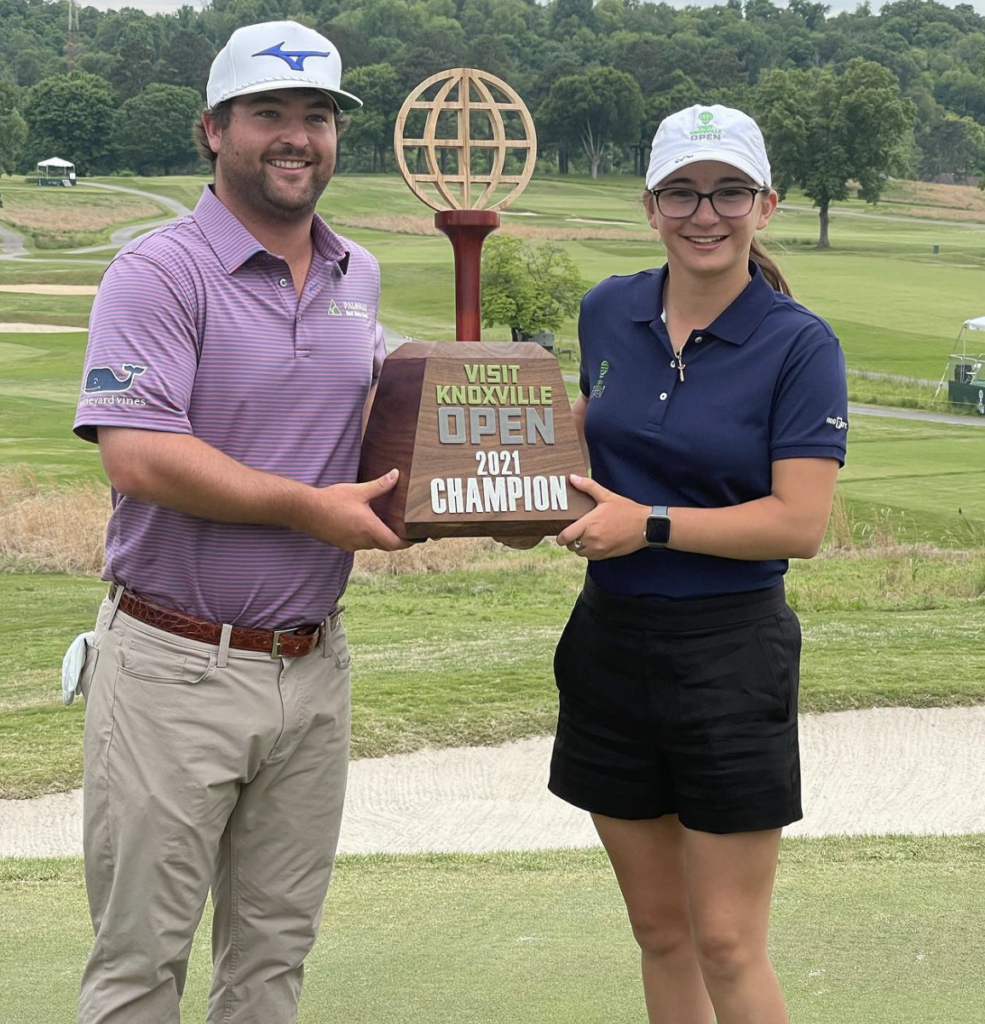
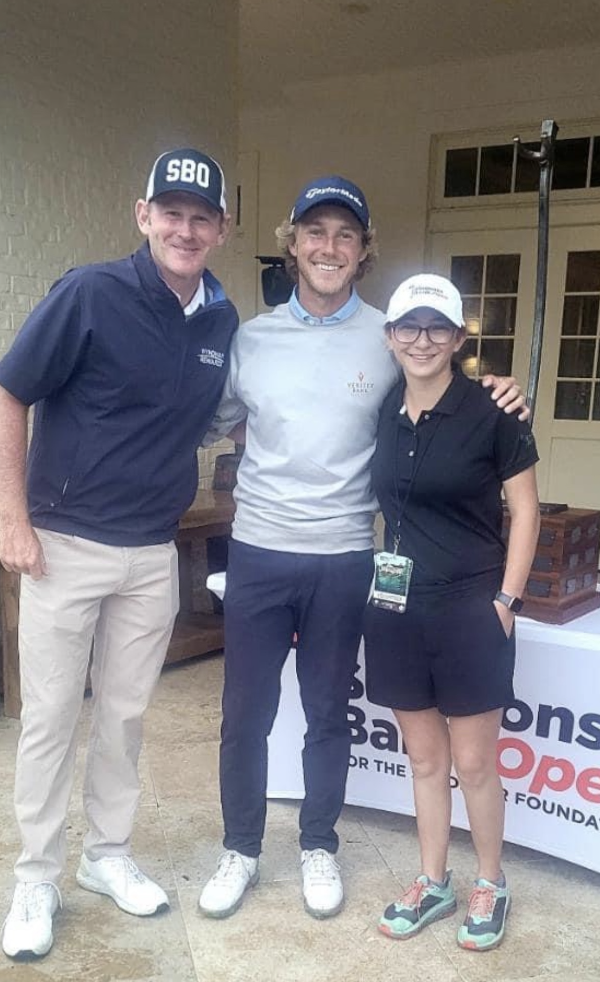
From walking scoring to standard bearer to parking and transportation, Jolie Venable has volunteered in just about every role at Korn Ferry Tour events – including the Simmons Bank Open, the Visit Knoxville Open and the Korn Ferry Tour Championship. 

The First Tee – Tennessee alumna and Ace graduate got involved with the Tour through her First Tee chapter and made the most of the opportunity. “I’ve really enjoyed all the different jobs I’ve done at tournaments,” she said. 

Jolie began participating in First Tee when she was 9 and said it was the coaches who kept her engaged with the program, “They’re very enthusiastic, caring and passionate about getting kids into golf, especially girls who don’t necessarily feel like they have a place in the sport.” 

Jolie stuck with First Tee as she got older, eventually joining the Ace Program, its capstone program for high schoolers. Ace is designed to help teens game-plan for the future by encouraging them to explore their passions on and off the golf course. Ace participants complete four projects focused on education, career preparation, golf and community service. 

The community service piece was Jolie’s favorite part, she said. Not only did she volunteer at tournaments, but she jumped into new opportunities when her family moved to Panama City, Florida, about three years ago. 

Jolie asked around about a local First Tee chapter after the move but learned there was no programming in the area after Hurricane Michael devastated the region in 2018. But she happened to be volunteering at a golf event with veterans last year when she overheard a fateful conversation. 

“We were at Bay Point Golf Course, and I overheard Tommy Cooley come in and mention First Tee.  I popped my head in and asked the manager about the conversation, and it turns out Tommy was trying to get First Tee started there,” Jolie said. “I got in contact with Tommy, who had brought Nature Walk Golf Course on board, and he offered me a position.” 

Now a First Tee alumna, Jolie is lead coach at First Tee – Gulf Coast’s Panama City program location. She recruits new coaches and teaches kids. “I just love seeing the kids light up when they see something new,” she said. 

In addition to her work, Jolie is studying physical therapy. “Around fourth grade, I was diagnosed with hearing loss in my right ear, and I got really interested in the medical field. I really love helping people, and this will give me an opportunity to work with other athletes,” she explained. She’s also launching a nonprofit that will provide hearing devices for families who can’t afford them. 

First Tee – Gulf Coast now serves kids from South Alabama through Panama City. “Golf has given so much to me, and I am delighted the same opportunities will be provided to future generations in Bay County,” Cooley said. 

Learn more about the Ace Program. 

The importance of service 

A study published last year by researchers at the University of Texas shows adolescents who volunteer in their communities are less likely to experience anxiety or behavioral issues and more likely to be very healthy. 

Those are just a few reasons you may want to talk to your child or teen about giving back in 2024. 

“Engaging in service has been linked to increased overall happiness and higher self-esteem, but I think having a greater perspective and empathy towards others are the most intrinsic benefits,” said Robbie Lowman, who oversees the First Tee College Scholarship Program and has worked in financial aid for more than a decade. 

It’s no secret that volunteer work can bolster a college admissions or scholarship application. 

“Service can demonstrate an applicant’s ability to take initiative, organize events and lead projects while showing signs of growth, resilience and adaptability,” Lowman said. But Lowman warned community service isn’t just a box to check on college applications. “It is a meaningful aspect of a student’s personal and academic journey. It reflects their values, character and commitment to making a positive difference in the world.” 

Encourage your child to find a project they’re passionate about 

There are many ways for kids and teens to get involved in their communities depending on their passions and interests. Nancy Rivera is a Scholar from First Tee – Silicon Valley and student at Middlebury College in Vermont. While in high school, she saw that Latinx members of her community needed support, so she started a Latinx club at her school, volunteered with Habitat for Humanity, hosted food drives and even worked with a district councilmember to host college admissions classes for DREAM Act students and families. 

“When we received her First Tee College Scholarship Program application, her community service record showed us that she is willing to collaborate with others, make sacrifices to strengthen her community and is not afraid to follow her values into important projects,” Lowman said. 

Rivera wants to be the voice for Latinx families who have limited representation. With her community service accomplishments, that goal doesn’t sound far out of reach. 

Giving back to the community has so many benefits that Lowman and his team prioritize it during annual professional development events for First Tee Scholars. For example, the group has hosted a beach cleanup and packed school supplies for students at a Title I school. The projects promote teamwork and collaboration, Lowman explained. 

Helping your child identify their personal values 

There are many ways to serve others, but community service typically has the greatest impact when it connects back to your personal values. As you discuss volunteering with your child, consider starting with these questions: 

  • What in life is important to you? 
  • How do you know that something is important to you? 
  • What does it show about your values when you say one thing but do another? 

If your child values academic success, they could volunteer as a tutor. Or if health and wellness is important to them, perhaps they could coach younger kids in sports. Once you’ve helped your child determine their personal values, that’s a good starting point for getting involved. 

If your teen is a First Tee participant, we encourage you to learn more about Innovators Forum a national opportunity focused on giving back. During the annual event, which will take place in Phoenix this November, a team of expert facilitators helps each participant develop a community service project to implement at home.